
Choosing the right color for your home’s interior is one of the most important decisions you’ll make in the painting process. The color of your walls can set the mood of a room, highlight architectural features, and even make spaces feel larger or cozier. At Lakeshore Painting, we understand how overwhelming this decision can be. With over 10 years of painting experience, our team is here to help guide you through the process of selecting the perfect color for your home’s interior.
While there’s no one-size-fits-all answer to this question, there are several key factors to consider when choosing interior paint colors that will enhance the feel and function of each space in your home.
1. Consider the Function of the Room
Different rooms serve different purposes, and the color you choose should align with how you want to feel in that space.
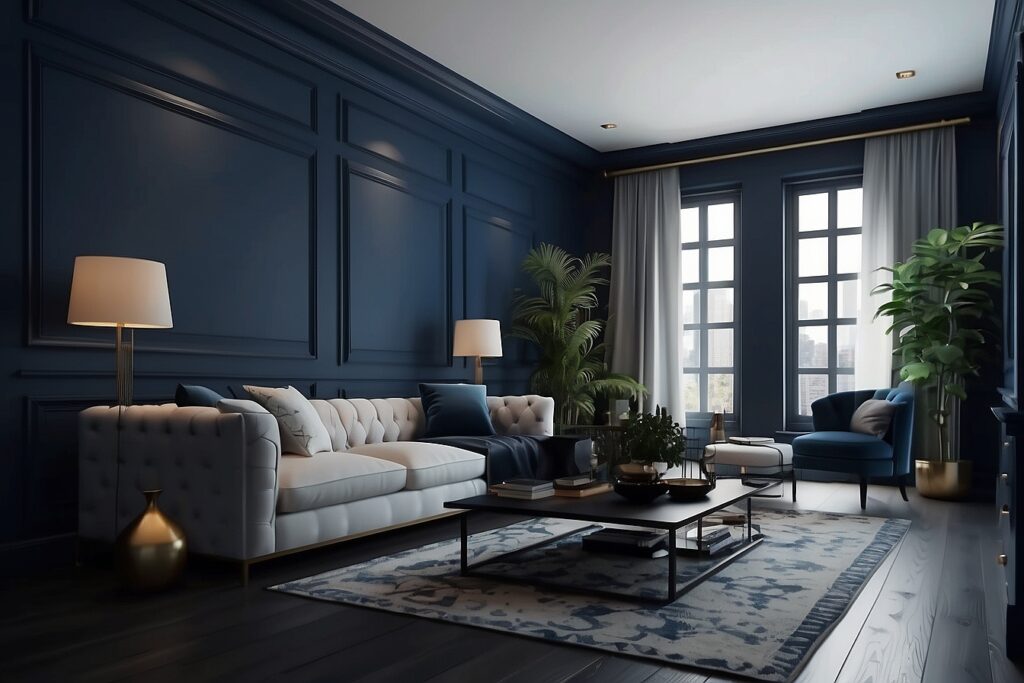
- Living Rooms & Family Rooms: These are the heart of your home, where you’ll entertain guests and spend time with loved ones. Soft, neutral tones like warm greys, light taupes, or even muted greens and blues can create a welcoming, cozy atmosphere. If you want to add some energy, accent walls with deeper shades, like navy blue, charcoal, or rich earth tones, can create depth and style.
- Kitchens: In kitchens, many homeowners opt for light, fresh colors like whites, soft yellows, pale blues, or mint greens. These colors reflect light, creating a clean, bright atmosphere ideal for cooking and dining. For a more modern touch, darker tones like charcoal or navy can work well with sleek, contemporary cabinetry.
- Bedrooms: Your bedroom is your sanctuary, so choose colors that promote relaxation and sleep. Soft blues, cool greys, and gentle greens are excellent for creating a peaceful, calming environment. If you prefer warmth, shades of beige, soft pink, or even warm taupe can offer a cozy, inviting feel.
- Bathrooms: In bathrooms, lighter shades such as soft whites, off-whites, and light blues can make the space feel more open and airy. For a spa-like retreat, colors like soft grey or muted seafoam green can bring a touch of elegance and tranquility. Darker colors, like deep navy or charcoal, can add sophistication but may make smaller spaces feel more cramped, so use them sparingly.
- Home Offices: As many people are working from home, creating a productive, inspiring atmosphere is key. Neutral shades like light greys or off-whites work well for a professional, clean backdrop. You could also opt for an energizing color like soft yellow, green, or even a deep, calming blue to enhance creativity and focus.
2. Understand Your Home’s Lighting
Lighting plays a huge role in how your paint colors will appear in your home. Natural light, artificial light, and the direction your room faces will all affect the way colors look. Here’s how to think about lighting:
- Rooms with Plenty of Natural Light: If a room gets a lot of natural light (such as a south-facing room in Portland’s brighter months), you have more flexibility with your color choices. You can go with bolder colors, as the natural light will balance them out, making the space feel inviting and warm.
- Rooms with Limited Natural Light: Rooms with little natural light (like north-facing rooms in the Pacific Northwest, where overcast days are common) can feel darker or colder. Lighter shades like soft whites, creams, or pastel colors will help brighten the space. Warm tones, like soft yellows or light beige, can also add warmth to a room that doesn’t get a lot of sun.
- Artificial Lighting: Consider the type of artificial lighting in each room. Yellow-toned light bulbs can warm up cooler colors, while white light can make warm tones feel cooler. Always test your colors in different lighting conditions before making a final decision.
3. Coordinate with Your Existing Décor
Your furniture, flooring, and other décor elements should complement your wall color. If you have a lot of vibrant furniture or accessories, you may want to choose more neutral wall colors to allow your pieces to stand out. On the other hand, if your furniture is minimal or neutral, you might want to bring in a bolder or warmer shade on the walls to create contrast and visual interest.
Here are a few tips:
- If you have neutral-colored furniture (e.g., beige, grey, or white), you can use a wider range of wall colors, from soft pastels to rich jewel tones, to create contrast and personality.
- If your furniture and décor are more colorful or patterned, choose a neutral base color like light grey, cream, or soft beige to allow the room’s personality to shine through.
4. Opt for Timeless Shades
While it’s fun to experiment with trends, neutral and timeless shades never go out of style. Neutral colors like whites, greys, beiges, and taupes can create a clean backdrop that’s easy to update with different accent pieces as your style evolves over the years. They also make it easier to resell your home, as most buyers appreciate the flexibility of neutral walls.
That being said, accent walls or small spaces like powder rooms, hallways, or children’s rooms are great opportunities to play with trendier or bolder colors, such as deep blues, forest greens, or mustard yellows.
5. Small Spaces vs. Large Spaces
Color can significantly impact how large or small a space feels:
- Small Rooms: Lighter colors, such as pale grays, soft whites, and light pastels, can make small rooms feel more open and airy. Avoid using very dark colors in small spaces, as they can make the room feel cramped.
- Large Rooms: In larger spaces, you have more flexibility. Darker shades, like charcoal, navy, or even deep green, can make large rooms feel cozier and more inviting. These shades also work well in spaces like living rooms or dining rooms where you may want to create a more intimate atmosphere.
6. Try Before You Commit
Always test out your color choices before committing to an entire room. At Lakeshore Painting, we recommend applying samples of your chosen colors on the wall (at least 2-3 shades) and observing how they look in different lighting conditions throughout the day. This helps you avoid surprises once the entire room is painted.
Conclusion
Choosing the right color for your interior is a deeply personal decision, influenced by factors like the purpose of each room, lighting, existing décor, and the overall mood you want to create. At Lakeshore Painting, we’re here to guide you through the entire process—from helping you choose the perfect color to ensuring that the final result is smooth, durable, and exactly what you envisioned.
Whether you want a calming retreat in your bedroom, an energizing office space, or a cozy family room, we have the expertise to make your vision a reality. Reach out to us for a consultation, and let’s create a home interior that truly reflects your style!